
A well-defined content strategy is essential when you are aiming for sustainable growth. Before you start, having an understanding of the fundamentals of content strategy, exploring its significance, core components, and the steps necessary to develop a comprehensive content marketing plan is key. Effective content planning can drive engagement, enhance brand visibility, and ultimately contribute to business success.
By implementing a robust content strategy, businesses can create targeted, valuable content that resonates with their audience. This guide will cover the definition of content strategy, its essential components, the development of a content marketing plan, and the importance of audience segmentation.
What Is Content Strategy and Why Is It Essential for Business Growth?
Content strategy refers to the planning, development, and management of content to achieve specific business goals. It is essential for business growth as it ensures that content aligns with the overall marketing objectives. A well-crafted content strategy not only enhances brand awareness but also fosters customer loyalty and drives conversions.
If you understand the needs and preferences of your audience, you can create content that addresses pain points and provides solutions, ultimately leading to increased engagement and sales.
How Does Content Strategy Enable Sustainable Business Growth?
A robust content strategy enables sustainable business growth by establishing a clear framework for content creation and distribution. It allows you to identify their target audience, understand their needs, and tailor content accordingly.
For instance, companies that implement a consistent content strategy often see improved customer retention rates and higher conversion rates. Case studies have shown that brands leveraging content marketing effectively can achieve significant growth, with some reporting increases in revenue by over 20% within a year.
What Are the Core Components of a Successful Content Strategy?
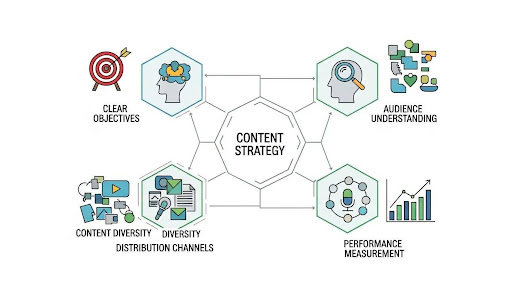
A successful content strategy includes clear objectives, audience understanding, and content diversity. First, define goals, whether it’s increasing brand awareness, generating leads, or enhancing customer engagement. Second, understanding your audience is crucial; this involves researching demographics, preferences, and behaviors. Lastly, content diversity ensures that various formats—such as blogs, videos, and infographics—are utilized to engage different segments of the audience effectively. By integrating these components, you can create a comprehensive content strategy that drives growth.
How to Develop a Comprehensive Content Marketing Plan for Growth
Developing a comprehensive content marketing plan involves several key steps that align with your business objectives and audience needs. With proper planning your content efforts are strategic and measurable, ultimately leading to better outcomes.
What Steps Are in Creating an Effective Content Marketing Plan?
Creating an effective content marketing plan involves the following steps:
- Research and Analysis: Conduct market research to understand industry trends and audience preferences.
- Content Creation: Develop high-quality content that addresses the needs of the target audience.
- Distribution Strategies: Identify the best channels for content distribution, such as social media, email, or blogs.
- Measurement and Reporting: Develop a plan on what you will track and report on content success.
By following these steps, you ensure that your content marketing efforts are focused and effective.
How Does Audience Segmentation Enhance Content Planning?
Audience segmentation enhances content planning by allowing you to tailor your messaging to specific groups. This approach involves dividing the audience into segments based on demographics, interests, or behaviors. By understanding these segments, you can create personalized content that resonates more deeply with each group.
For example, targeted email campaigns can lead to higher open and click-through rates, ultimately driving more conversions. Tailoring content to specific audience segments not only improves engagement but also fosters a stronger connection between your brand and your customers.
Which Content Calendar Tools Optimize Content Planning and Execution?
Content calendar tools are essential for optimizing content planning and execution. These tools help teams organize their content schedules, ensuring that all content is published on time and aligns with marketing campaigns.
What Features Should You Look for in Content Calendar Tools?
- User-Friendly Interface: A simple and intuitive design makes it easier for teams to collaborate and manage content.
- Integration Capabilities: The ability to integrate with other marketing tools enhances workflow efficiency.
- Analytics Features: Built-in analytics help track content performance and inform future strategies.
These features ensure that content teams can effectively manage their workflows and maintain consistency in their content efforts.
One of my favorites is Content Studio. I’ve been using it for several years and find it to be robust, and cost effective for small to mid-sized businesses. Recently they also launched a new Data Studio integration that I am excited to explore.
How Can Content Calendar Tools Improve Editorial Workflow and Consistency?
Content calendar tools improve editorial workflow by streamlining the planning and publishing process. Teams can visualize their content schedule, making it easier to coordinate efforts and avoid overlaps. For instance, using a shared calendar can help prevent multiple team members from publishing similar content simultaneously. Additionally, these tools promote consistency by ensuring that content is published regularly and aligns with the overall marketing strategy. By enhancing workflow and maintaining consistency, marketing teams can improve their content marketing effectiveness.
What Is a Content Governance Model and How Does It Support Content Quality?
A content governance model is a framework that outlines the roles, responsibilities, and processes involved in content creation and management. It is crucial for maintaining content quality and ensuring that all content aligns with brand standards and compliance requirements.
Which Roles and Responsibilities Are Key in Content Governance?
- Content Creators: Responsible for producing high-quality content that meets audience needs.
- Editors: Ensure that content is accurate, engaging, and adheres to brand guidelines.
- Compliance Officers: Oversee content to ensure it meets legal and regulatory standards.
By clearly defining these roles, businesses can enhance their content quality and ensure that all content aligns with their strategic objectives.
Even if you don’t have layers of management to approve content, governance is still important. If your company is working with a digital marketing agency for example, a simple approval workflow can keep everyone on the same page.
How Does Content Governance Ensure Brand Consistency and Compliance?
Content governance ensures brand consistency by establishing guidelines that dictate how content should be created and presented. This includes tone, style, and messaging, which help maintain a cohesive brand identity across all platforms. Additionally, governance models help ensure compliance with legal and regulatory requirements, reducing the risk of potential issues. By implementing a robust content governance model, businesses can protect their brand reputation and ensure that all content is of high quality.
How to Conduct a Content Audit Process to Measure and Improve Performance
Conducting a content audit is essential for measuring the effectiveness of content and identifying areas for improvement. This process involves evaluating existing content to determine its performance and relevance.
What Are the Steps in Performing an Effective Content Audit?
The steps in performing an effective content audit include:
- Data Collection: Gather data on existing content, including performance metrics and engagement rates.
- Analysis of Performance: Evaluate which content pieces are performing well and which are not.
- Recommendations for Improvement: Based on the analysis, provide actionable recommendations to enhance content effectiveness.
By following these steps, you can gain valuable insights into your content performance and make informed decisions for future strategies.
How Do Content Audits Inform Strategic Content Adjustments?
Content audits inform strategic content adjustments by identifying gaps in content and areas that require improvement. For example, if certain topics are underrepresented, businesses can create new content to fill those gaps. Additionally, audits can reveal which types of content resonate most with your audience, allowing for more targeted content creation in the future. By leveraging insights from content audits, you can continuously refine your content strategies to better meet audience needs.
How to Leverage Audience Segmentation Strategies for Targeted Content Marketing
Leveraging audience segmentation strategies allows you to create targeted content marketing campaigns that resonate with specific audience groups. Being intentional about segmentation enhances engagement and drives conversions by delivering relevant content to the right people.
What Methods Are Used to Segment Audiences Effectively?
- Demographic Segmentation: Dividing the audience based on age, gender, income, and other demographic factors.
- Behavioral Segmentation: Analyzing user behavior, such as purchase history and online interactions, to create targeted content.
- Psychographic Segmentation: Understanding audience interests, values, and lifestyles to tailor messaging.
By employing these methods, you can create more personalized content that speaks directly to the needs and preferences of their audience.
How Does Audience Segmentation Drive Personalized and Engaging Content?
Audience segmentation drives personalized and engaging content by allowing you to tailor your messaging to specific groups. This personalization enhances the relevance of the content, leading to higher engagement rates. For instance, targeted marketing campaigns that address the unique needs of different segments can result in increased conversion rates. By focusing on audience segmentation, businesses can create content that not only captures attention but also fosters a deeper connection with their audience.
An obvious example would be when creating content for a Therapy and Counseling practice. Messaging for couples therapy won’t resonate for a Mom looking for a counselor for her teenager struggling with social challenges. It’s all about creating the right content a the right time.
How To Get Started with a Content Strategy
Hopefully with this guide you now have a basic understanding of what goes into a content strategy. While there are a lot of pieces and parts, it is something you can pull together quickly. If it feels like too much, start small. Build one piece at a time, and you’ll quickly have a full plan.
If you need to act more quickly, you can also bring on an expert marketing team like optimuse. Reach out to us to schedule a free introductory call to discuss your content marketing needs.